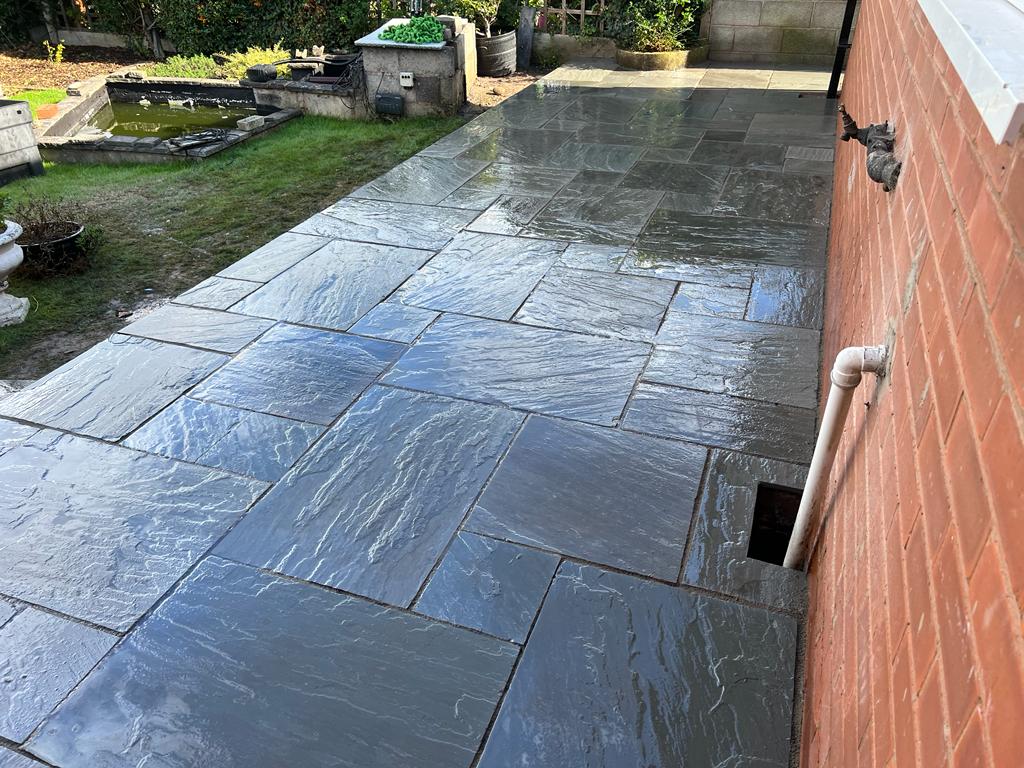

Shaded and damp areas present unique challenges for natural stone paving. Many stone types develop moss, algae, or become slippery when moisture cannot evaporate effectively. Understanding which stones perform best in these conditions helps ensure your paving remains safe and attractive.
Yorkshire sandstone and certain limestone varieties excel in damp, shaded conditions. These stones have naturally rougher textures that provide better grip when wet. Their porous nature also allows moisture to penetrate and evaporate more effectively than denser stones.
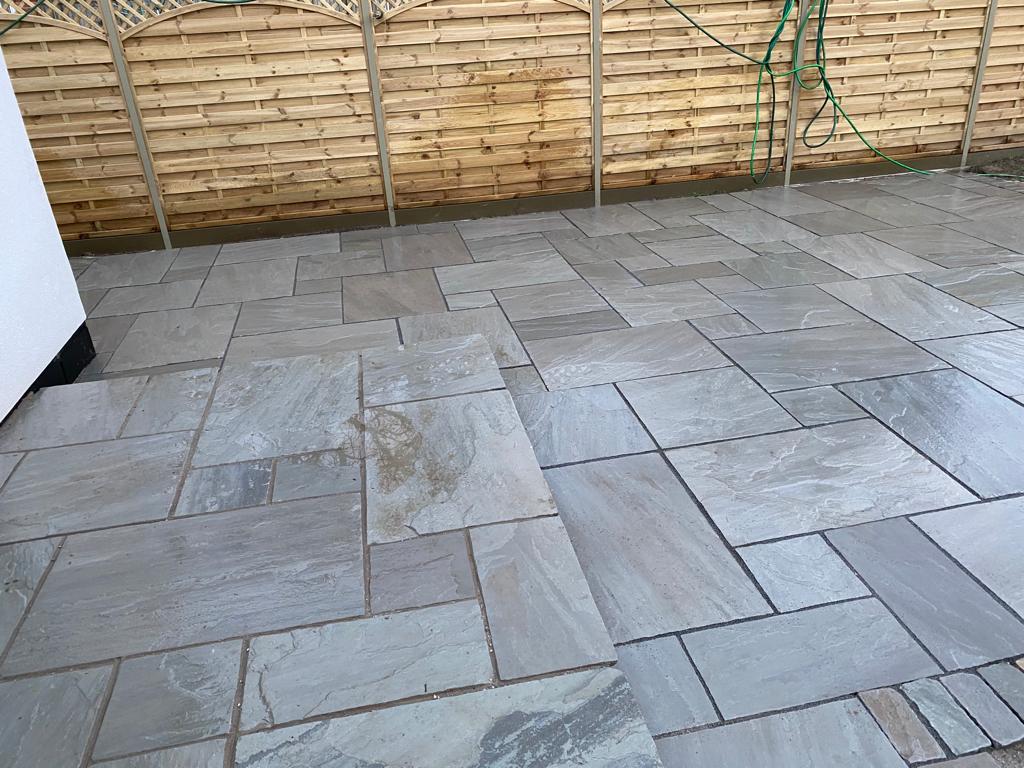
Stone Types to Avoid in Shaded Areas
Smooth slate and polished granite become extremely hazardous when wet. Their non-porous surfaces create a film of water that makes walking treacherous. Indian sandstone with fine grain structures also struggles in consistently damp conditions.
- Polished or honed granite surfaces
- Smooth Welsh slate varieties
- Fine-grained Indian sandstone
- Limestone with high calcium content
When selecting these premium materials, experienced paving specialists recommend considering slip resistance ratings alongside aesthetic appeal.
Installation Requirements for Damp Areas
Proper drainage becomes critical in shaded installations. Install a minimum 150mm sub-base with coarse aggregate to promote water movement away from the stone surface. Create subtle gradients of at least 1:80 to direct water flow.
Use wider joint spacing of 10-15mm rather than tight butt joints. This allows water to drain between stones rather than pooling on surfaces. Point with permeable mortar mixes that allow water movement while maintaining stability.
Surface Preparation and Ongoing Care
Apply anti-slip treatments to stone surfaces before installation. Regular cleaning removes organic matter that encourages moss and algae growth. Pressure washing twice yearly prevents buildup that creates slippery conditions.
Consider installing drainage channels or French drains around paved areas where water naturally collects. This removes standing water that accelerates moss growth and creates safety hazards during freezing conditions. Temperature damage prevention becomes particularly important for natural stone installations, as early warning signs of problems often appear at joints and edges first.