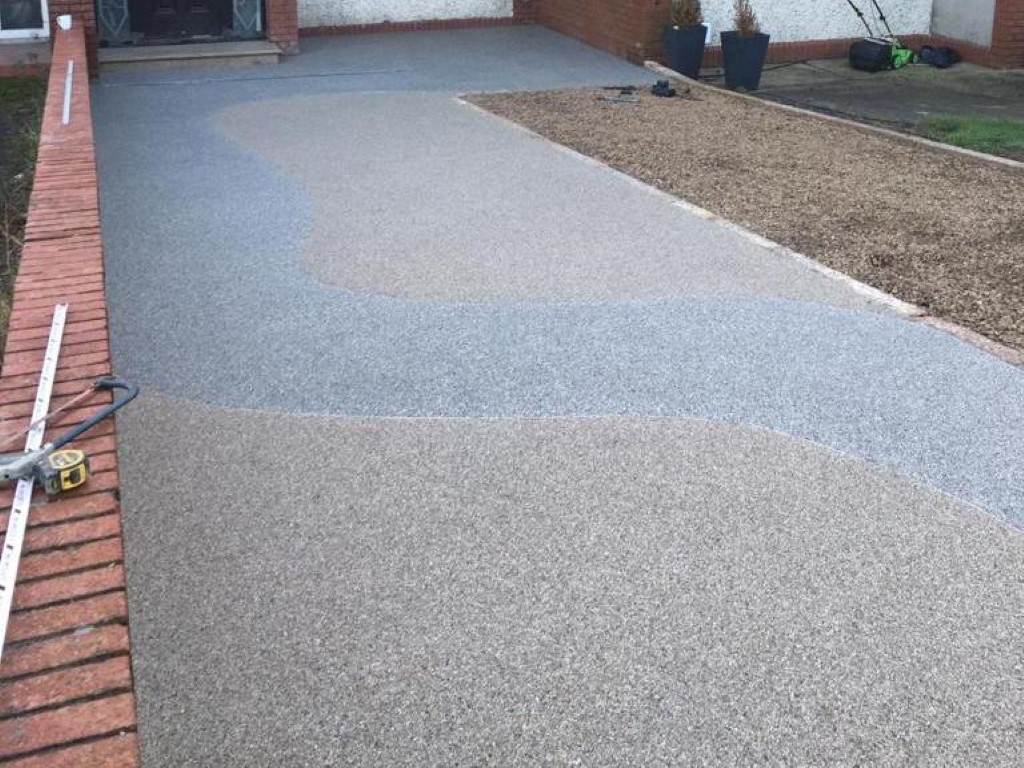

Two distinct types of resin surfacing are available for driveways in Southam: resin bound and resin bonded systems. Understanding the fundamental differences between these approaches helps homeowners make informed decisions about their surfacing project.
Resin bound surfacing involves mixing aggregates with resin before application, creating a smooth, permeable surface. The stones become fully coated in resin during the mixing process, then applied as a single homogeneous layer. When expertly mixed and applied, the result is a durable, attractive finish.
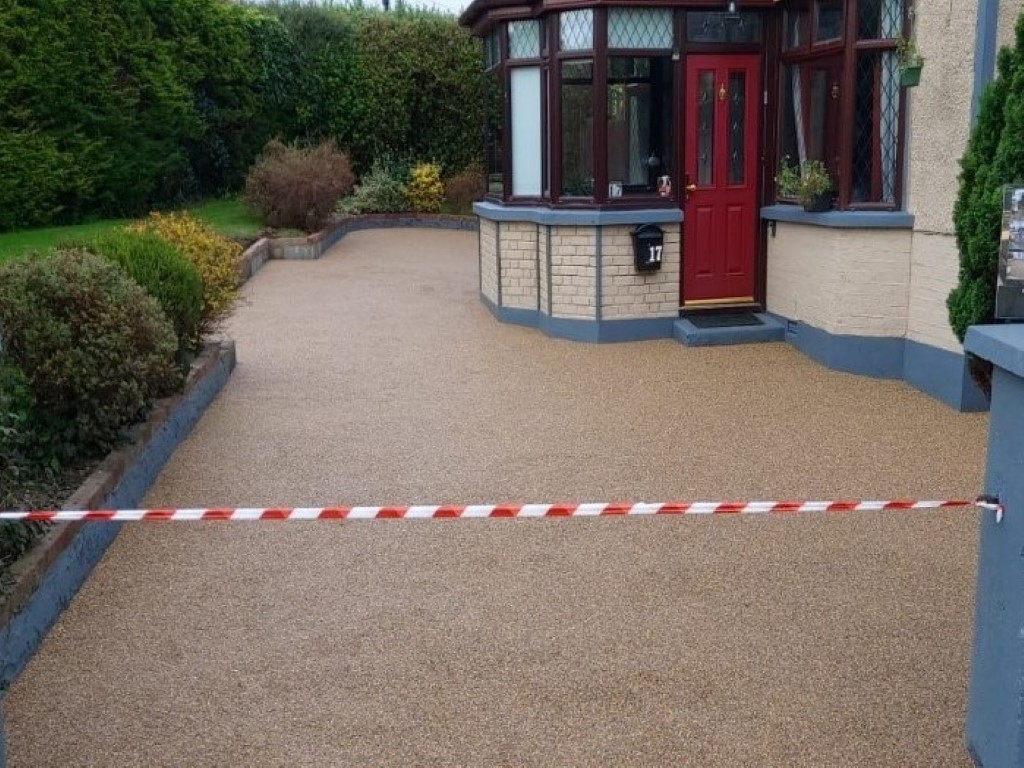
Resin bonded surfacing works differently, with resin applied to the surface first, then loose aggregates scattered on top. The stones sit partially exposed on the surface, held in place by the underlying resin layer.
Surface Finish and Appearance
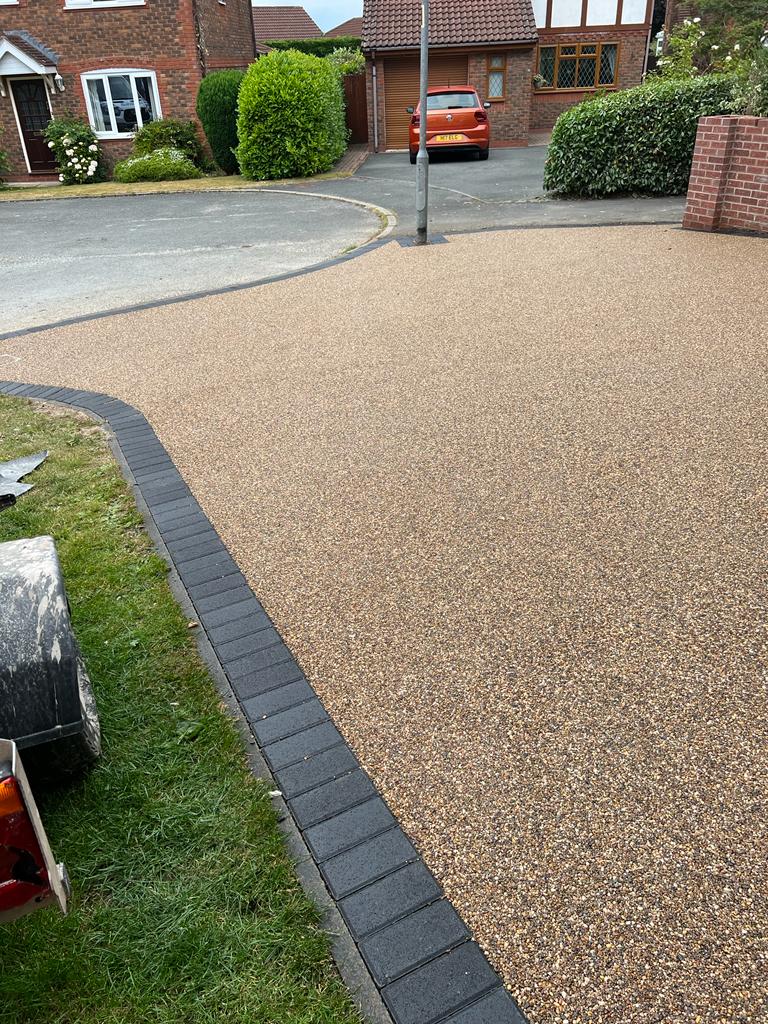
Resin bound surfaces appear smooth and uniform, with stones fully encased in the resin matrix. This creates an attractive, contemporary finish that feels comfortable underfoot.
Resin bonded surfaces have a more textured appearance and feel. The exposed aggregate creates greater surface variation, which some homeowners prefer for its natural stone appearance.
Drainage Performance
Resin bound systems offer superior drainage characteristics. The porous structure allows water to pass through freely, meeting sustainable drainage requirements and reducing surface water runoff.
Resin bonded surfaces are typically non permeable. Water runs off the surface rather than draining through, requiring adequate fall to drainage points around the driveway perimeter.
Durability and Maintenance
Both systems offer good longevity when properly installed on suitable substrates. However, their maintenance requirements differ significantly.
- Resin bound surfaces resist loose stone movement and require minimal maintenance
- Resin bonded surfaces may experience gradual aggregate loss over time
- Exposed stones in bonded systems can collect dirt more readily
- Both surfaces benefit from occasional pressure washing
Installation Requirements
Resin bound installation requires specialist mixing equipment and precise temperature control during application. The process demands greater technical expertise and typically takes longer to complete.
Resin bonded application is more straightforward, using standard resin application techniques followed by aggregate broadcasting. Installation is generally quicker and requires less specialised equipment.
Both systems need proper substrate preparation and suitable weather conditions during installation. Temperature and humidity levels significantly affect the curing process for optimal results.